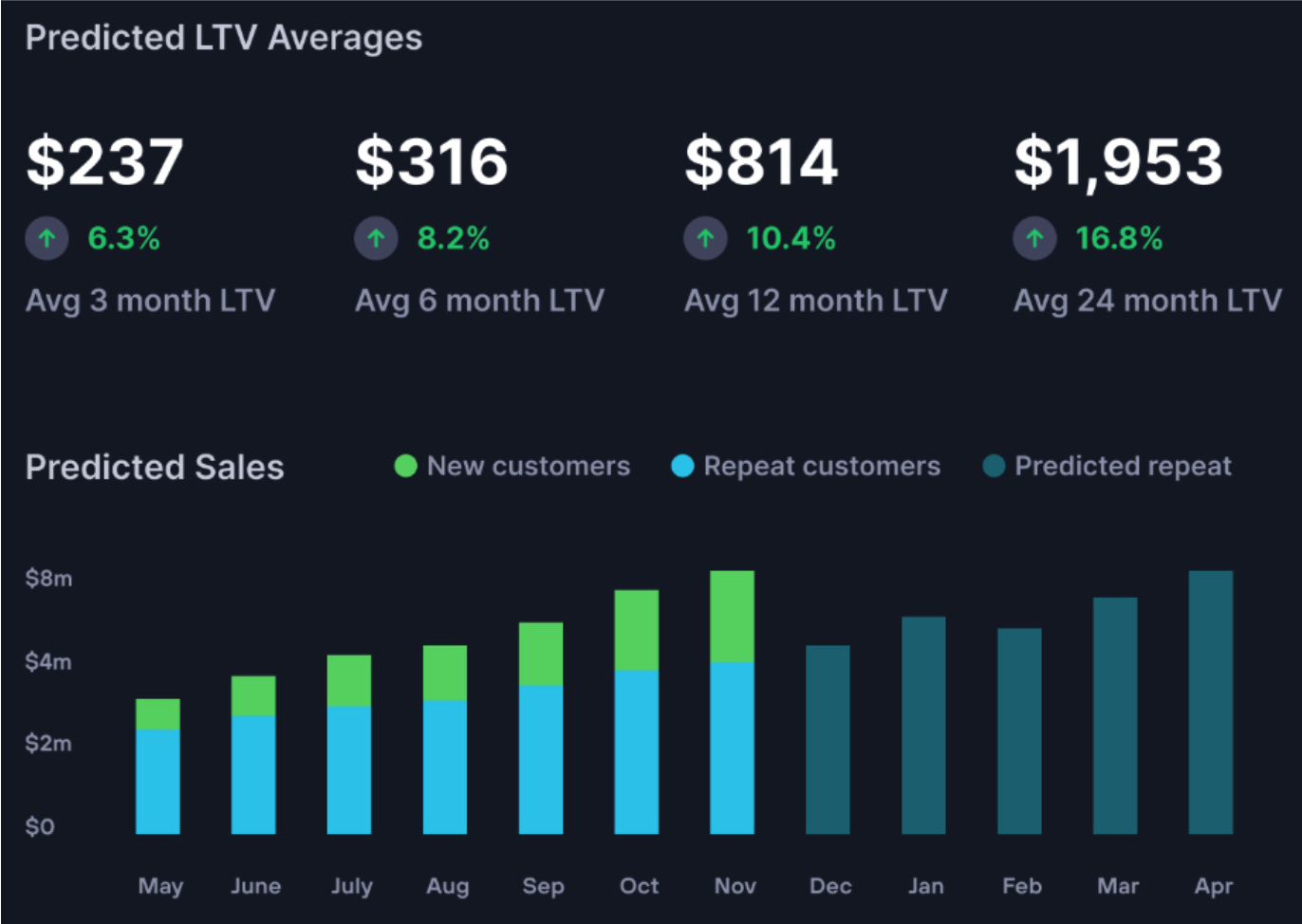

LTV is simply the total profit a customer generates over time, but most brands misunderstand it. In 2026, the e-commerce industry has shifted toward a profit-first model where top-line revenue no longer guarantees survival. To build a business that actually holds, you need to understand the economics supporting it.
Read MoreAcross Eyeful Media’s portfolio of B2C brands, we’re seeing a sharp increase in AI Overview positions earned by our e-commerce clients.
AI Overview rankings across our B2C clients have surged 104% from December to April. This growth isn’t isolated—it’s happening across multiple industries and signals a broader shift in e-commerce search visibility.
Read MoreFounder-led brand marketing helps luxury brands grow by putting the founder front and center. Instead of focusing only on products, they build credibility through the founder’s style, vision, and expertise, making the brand more human and more valuable.
In this article, you’ll learn how to position founders as design leaders, build trust through clear, authentic storytelling, carry that trust across channels, and turn attention into stronger conversions
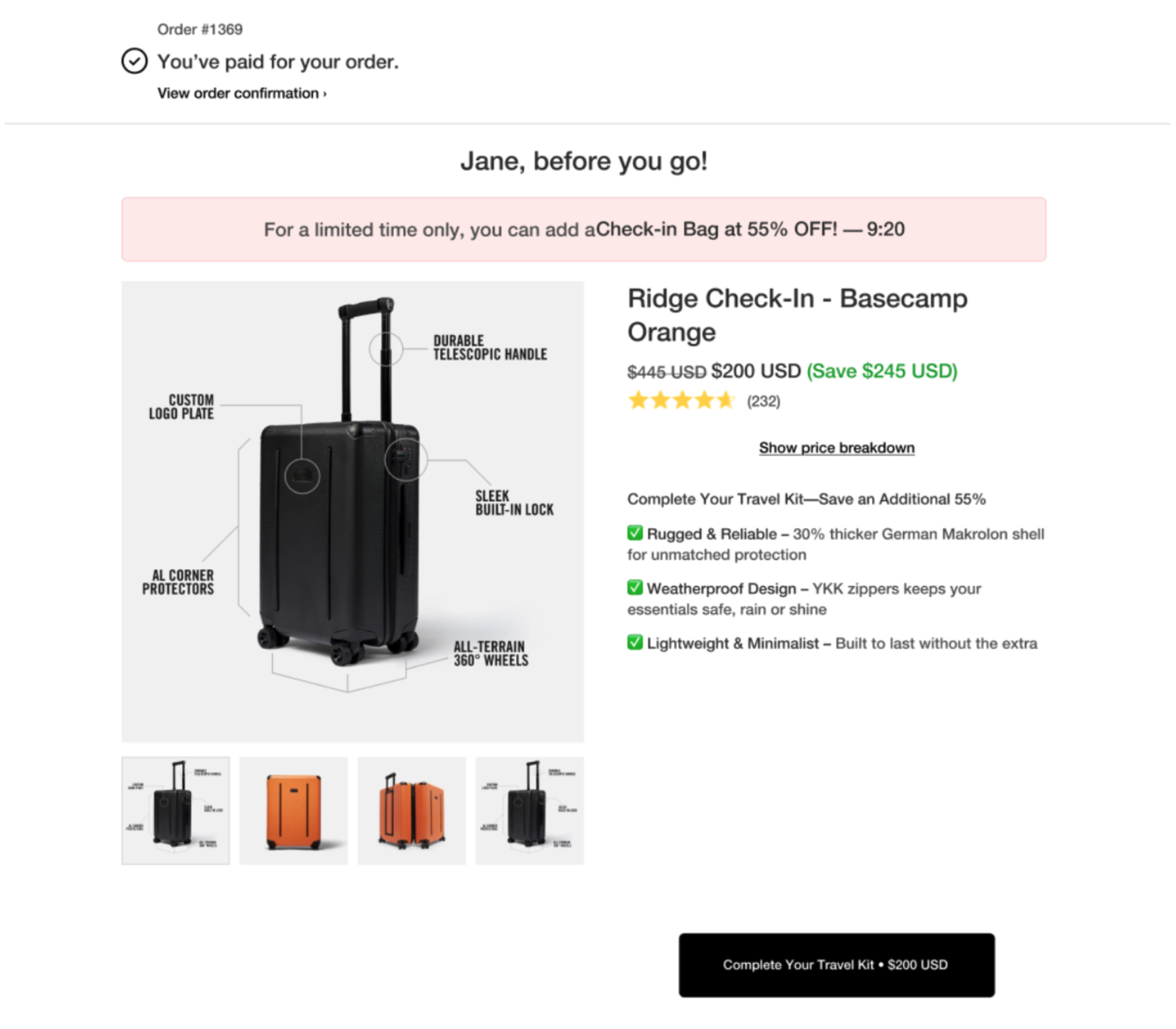
Read MoreMost brands try to grow by spending more. Aftersell grows revenue from the customers you’ve already converted. Instead of chasing new customers, it monetizes the moment you’ve already earned, when intent is highest and the customer’s card is still active. In this guide, you’ll learn how post-purchase upsells increase revenue, how to reduce friction while improving conversions, which Aftersell features drive results, and how to turn your checkout into a revenue channel.
Read MoreTolstoy and shoppable video help Shopify brands beat digital storefront fatigue by making product pages seem human again. Instead of a silent PDP, shoppers get short, interactive videos with clear next steps to shop. Tolstoy turns homepages and PDPs into video commerce modules that look and behave like the in-store stylist moment: an actual person explains fit, texture, and how to use the product, while shoppers tap to explore and add items.
Read MoreThe Shop App is reshaping how Shopify brands approach growth by shifting attention away from rented audiences on Meta and Google and into a Shopify-native environment designed for buying. Instead of competing for clicks in crowded ad auctions, brands can reach shoppers inside an app created for discovery, checkout, and repeat purchases.
Read MoreShopify customization has changed fast over the last few years. What began with Shopify Scripts and theme-level edits has moved toward server logic built directly into checkout. Shopify Functions now replaces older tools and gives brands a stable way to control discounts, shipping, and payments without relying on legacy workarounds.
Read MoreThe multi-step Shopify checkout is being replaced by a faster, one-page experience built for how people shop today. For years, online stores sent customers through several different screens to finish a purchase. This new design moves everything into a single view, removing the need for extra clicks.
Read MoreShopify is expanding agentic commerce across major AI platforms, allowing merchants to sell directly within conversational experiences. What began as an integration with OpenAI’s ChatGPT is now evolving into a broader AI commerce strategy that also includes native shopping experiences in Google AI Mode and the Gemini app.
Read MoreAI search for eCommerce is no longer a future concept. It’s now an integral part of how shoppers find and choose products. In fact, more than 91% of eCommerce queries already trigger AI-generated results, with fashion and beauty queries reaching 94-95% coverage. At the same time, queries with AI Overviews see organic click-through rates drop by as much as 55%. This shift highlights a move away from simple keyword matching toward indexing for discovery, where large language models interpret context and credibility, as well as product relevance.
Below, we’ll break down what that change means and how you can adapt without chasing hype.
Read MoreThe retail marketplace landscape becomes particularly competitive later in the year. This is when holiday shopping drives record-breaking sales. In fact, online holiday sales hit $241.4 billion in 2024, an 8.7% increase from the previous year. Q4 alone accounted for as much as 40% of retailers’ annual revenue. To stand out during this high-demand period, brands need both wise planning and day-to-day execution. Below, the following tips, plus a bonus strategy, aim to maximize ROI (Return on Investment) and reach new customers this holiday season.
Read More