
How Shopify Brands Can Drive Incremental Growth Using the Shop App and CPA-Optimized Campaigns
The Shop App is reshaping how Shopify brands approach growth by shifting attention away from rented audiences on Meta and Google and into a Shopify-native environment designed for buying. Instead of competing for clicks in crowded ad auctions, brands can reach shoppers inside an app created for discovery, checkout, and repeat purchases.
As Shopify moves toward agentic, commerce-first experiences, as outlined in Eyeful’s breakdown of agentic commerce integration, the Shop App has become both an acquisition and retention channel. CPA-optimized campaigns reinforce this shift by letting brands pay only when a sale occurs, which makes them a practical lever for consistent, incremental growth.
Beyond Order Tracking: The Evolution of the Shop App into a Performance Powerhouse
What began as a simple order tracking tool has grown into a full-scale shopping destination with more than 200 million users. Inside the Shopify ecosystem, the Shop App now combines Shop Pay, rewards, and personalized product feeds into one place where people come ready to buy.
Shoppers follow brands, browse curated recommendations, and check out without leaving the app. This shift mirrors broader changes in AI-driven search and discovery for ecommerce, as outlined in Eyeful’s perspective here. The result is a commerce-native space where browsing often leads straight to purchase.
Understanding the Shop App Ecosystem as a Built-In Discovery Engine
The Shop App works as a native discovery layer inside Shopify, connecting brands with shoppers who already plan to buy. Product discovery, checkout, and order tracking all live in one place, which keeps users engaged from browse to purchase.
High-Intent Shopping via the Personalized Discovery Feed
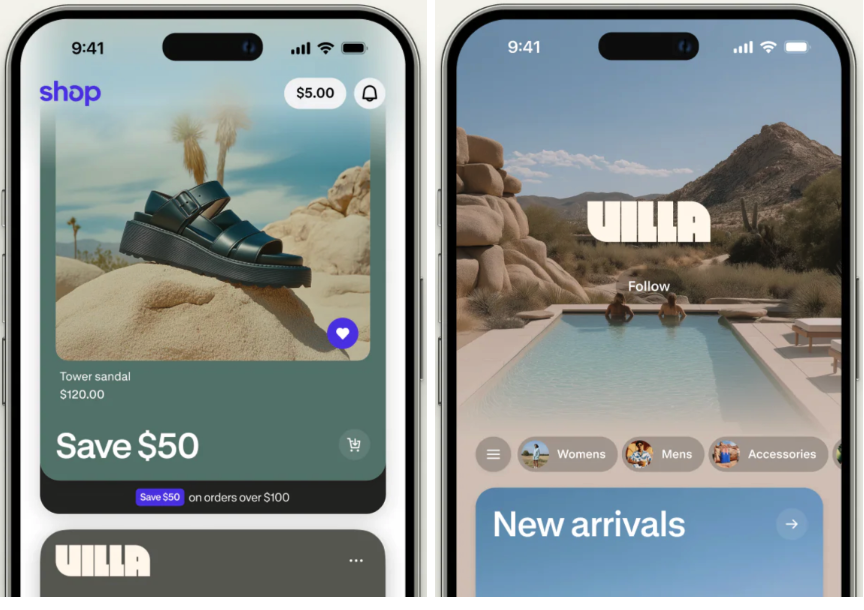
The Shop tab inside the Shop App uses past purchases, followed brands, and browsing behavior to surface relevant products for high-intent shoppers. Instead of passive scrolling, users open the app with a clear goal to explore and buy. Sponsored product tiles also appear directly in this personalized feed and match the surrounding content, which keeps ads from seeming out of place. For brands, this creates visibility at the exact moment shoppers are comparing options rather than hours or days before a purchase.
Faster Checkout Through Native Shop Pay and One-Tap Purchase
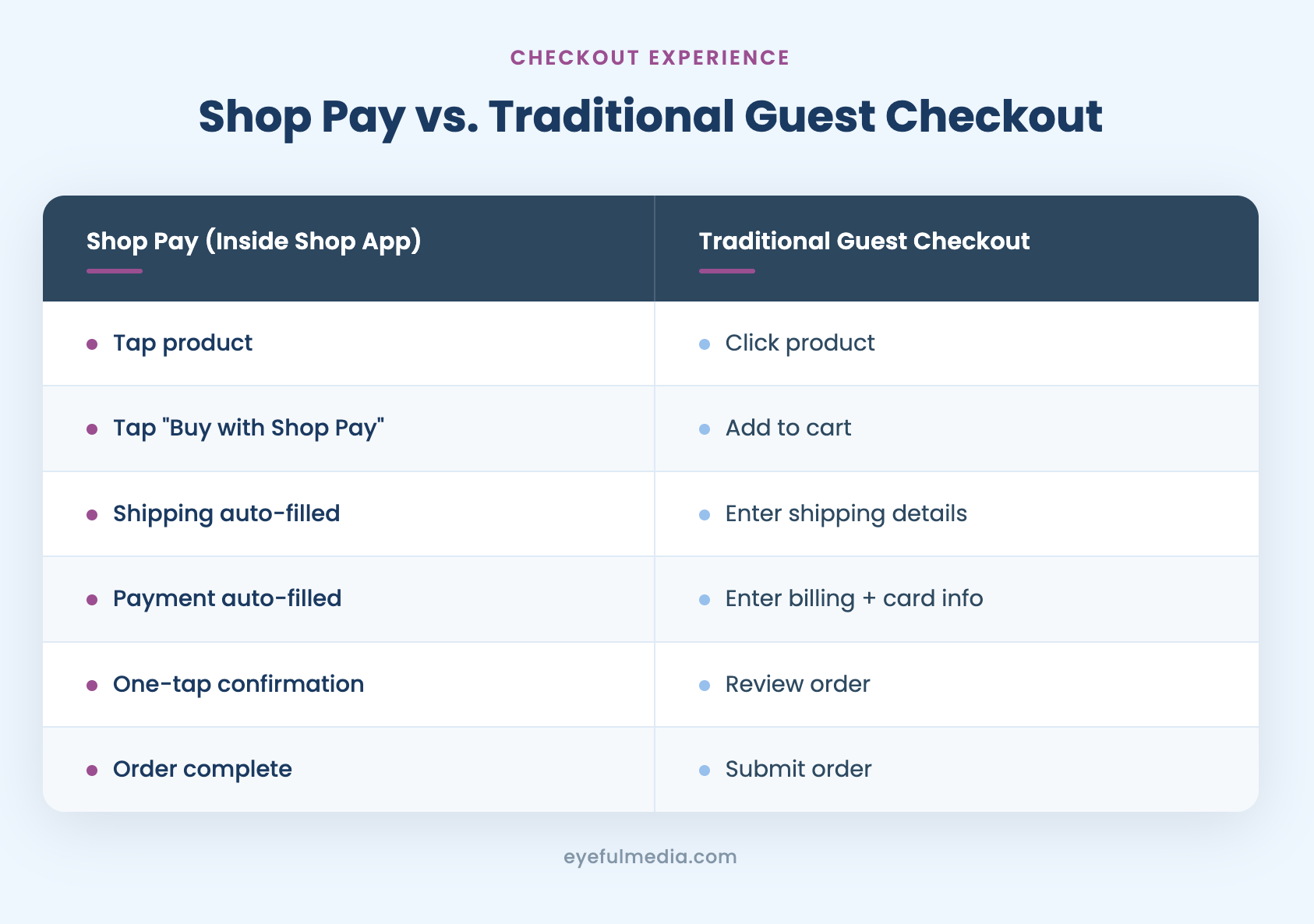
Shop Pay lets shoppers complete a purchase in seconds using saved payment and shipping details, which shortens the path from product view to order. This native checkout experience plays a direct role in ecommerce acquisition by increasing completed purchases, and Shop Pay checkouts can lift conversion rates by about 50% compared to guest checkout, with mobile shoppers converting 19.1 times more often when using Shop Pay.
Furthermore, broader multi-year checkout research, similar to Baymard-style studies, shows that fixing typical payment UX gaps alone can raise overall conversion rates by up to 35%. In a closed-loop system like the Shop App, those gains stack quickly.
Shop Pay vs. Traditional Guest Checkout
The Strategic Shift to CPA-Optimized Shop Ads
Shop ads change how brands think about paid growth by tying spend directly to purchases. Instead of paying for views or clicks, brands can focus on outcomes inside a commerce-first environment.
How the CPA Model Protects Your Margins Compared to Traditional CPM Auctions
Cost Per Acquisition (CPA) campaigns charge brands only when a sale happens, which makes them very different from Cost Per Mile (CPM) or Cost Per Click (CPC) buying. On Meta or Google, brands pay for impressions or clicks even when users do not convert. That exposure adds up quickly, especially in competitive verticals. With Shop Ads, the cost ties back to completed orders, which places a clear ceiling on customer acquisition costs.
This structure acts as a built-in guardrail for margins and makes performance easier to forecast. For brands selling through marketplaces and retail media channels, this approach mirrors the pay-for-performance model already standard on platforms like Amazon, as outlined in Eyeful’s overview of shopper marketing.
Leveraging Historical Store Data for Algorithmic Bidding Success
Shopify uses a store’s historical data, including average order value and past conversion patterns, to recommend starting Customer Acquisition Costs (CAC) targets for Shopify Shop campaigns. Brands can also set target Return on Ad Spend (ROAS) ranges, usually between 0.5 and 2.5, to keep delivery within margin limits.
Once live, the system adjusts bids automatically based on purchase behavior. In fact, a 2025 case study found that AI-driven, CPA-optimized campaigns reduced CPA by 37% compared with baseline campaigns, driven by bidding against conversion goals rather than manual adjustments.
Benchmarking Performance: Shop Ads vs. Meta and Google in 2025
As paid media costs increase across search and social, brands are rethinking where incremental spend makes sense. Comparing Shop Ads to traditional platforms shows clear differences in cost structure and predictability.
Navigating Rising Costs on Search and Social Channels
Search and social platforms continue to get more expensive for performance marketing teams in 2025. Google Ads benchmarks show average CPMs around $11.2 and CPCs near $0.73 across industries, with adjusted figures climbing to $17.80 CPM and $1.31 CPC once competitive ecommerce verticals are factored in.
Apparel and beauty brands often see even higher rates. Separate 2025 analysis reports year-over-year CPC increases across ecommerce segments as search competition continues to intensify. As costs rise and conversion rates fluctuate, managing blended CAC across channels becomes harder.
The Shop App as a Low-CAC Hedge Against Volatile Ad Auctions
Shop Ads give brands a way to steady acquisition costs when other platforms spike. Because ads run inside a marketplace-style environment, the experience resembles Amazon Sponsored Products more than social feeds. Many brands see Shop App CACs in the $30 to $40 range, which often undercuts high-CPC search campaigns during peak seasons. Leaning on CPA-based pricing lets brands cap acquisition costs while keeping spend active when Meta and Google become less predictable.
Transforming One-Time Buyers into Loyalists with Retention Mechanics
The Shop App drives first purchases, but it also gives brands built-in tools so they can stay visible and encourage repeat buying after checkout.
Building Brand Equity through the Shop Storefront and Follow Features
A Shop Storefront lets brands present products, collections, and brand details in one place inside the app. Shoppers can follow a brand directly from this storefront, which increases the chances of appearing in their discovery feed over time. Each follow creates ongoing organic exposure without added spend. The “Track with Shop” option also keeps the brand visible after purchases, since order updates pull customers back into the app where browsing and buying continue.
Utilizing Shop Cash and Loyalty Rewards to Drive Lifetime Value
Shop Cash and Shop Pay rewards give shoppers reasons to return to the app for future purchases. These incentives apply across participating brands, which keeps customers shopping within the ecosystem. For merchants, this lowers the long-term cost of bringing a buyer back for another order. The loop is simple: ads bring in the first purchase, rewards encourage the next one, and repeat buying grows lifetime value over time.
Implementing an Evergreen Strategy for Scalable Shopify Growth
Sustainable growth on Shopify comes from channels that deliver consistent results, not short-term wins. The Shop App fits this role by providing consistent acquisition and repeat purchase opportunities inside one platform.
Integrating Shop Ads into Your Blended Marketing Mix
Brands should treat Shop Ads as a core layer in their Shopify growth strategy. CPA-based campaigns work well as a stable acquisition channel that runs alongside Meta and Google. While search and social drive broad awareness, Shop Ads capture demand from shoppers already close to purchase.
This balance makes it easier to manage overall acquisition costs across channels. Research into CPA-driven media buying shows lower average acquisition costs over time, which supports the case for performance-focused channels. Eyeful’s paid media team applies this blended approach across search and commerce platforms, as outlined here.
Optimizing Your Post-Purchase Experience for Maximum Feed Visibility
After checkout, brands can extend visibility by encouraging customers to use “Track with Shop.” Order updates bring shoppers back into the app through real-time notifications. Once inside, customers re-enter a shoppable feed where they can discover new products from the same brand. This connection between post-purchase touchpoints and ongoing discovery keeps brands present without adding new ad spend.
Securing a Competitive Advantage in the Future of Shopify Commerce
The Shop App gives Shopify brands a clear path to incremental growth by combining native discovery, one-tap checkout, and CPA-based advertising in a single environment. As paid media grows more competitive, this closed-loop approach offers more predictable acquisition and repeat purchase opportunities.
Brands that treat Shop Ads as a core channel rather than an experiment position themselves for steady results as commerce continues to shift toward platform-owned ecosystems. For brands looking to evaluate how the Shop App fits into their broader growth plan, Eyeful Media offers digital marketing audits that identify practical ways to improve Shopify performance.
Learn more and start the conversation today!
Frequently Asked Questions
What audiences does Shopify provide within the Shop App?
Shopify uses purchase history, followed brands, and browsing behavior to surface products inside the Shop App. Brands can reach shoppers who already buy within the Shopify ecosystem, making campaigns more focused on high-intent users rather than broad demographic targeting.
What are Shop Cash incentives, and how do they work?
Shop Cash is a rewards system inside the Shop App. Shoppers earn incentives through purchases and can apply them toward future orders. This encourages repeat buying within the ecosystem and helps brands lower long-term reacquisition costs.
How is tracking handled in the Shop App environment?
Tracking happens within Shopify’s closed ecosystem. Because checkout, payment, and order data are native to the platform, attribution is more direct. Brands can measure purchases tied to campaigns without relying as heavily on third-party tracking methods.
What new Shop features should brands take advantage of in 2025–2026?
Brands should activate their Shop Storefront, encourage “Follow,” promote “Track with Shop,” and leverage Shop Cash rewards. These features increase organic visibility inside the app and strengthen retention beyond the first purchase.
Do Shop App campaigns work for both acquisition and re-engagement?
Yes. CPA campaigns help drive new customer purchases, while follow-up mechanics, tracking notifications, and rewards keep shoppers returning. This makes the Shop App both an acquisition channel and a built-in retention tool within the Shopify ecosystem.