
How Tolstoy’s Shoppable Video Helps Shopify Brands Bridge Storytelling and Conversion
Tolstoy and shoppable video help Shopify brands beat digital storefront fatigue by making product pages seem human again. Instead of a silent PDP, shoppers get short, interactive videos with clear next steps to shop.
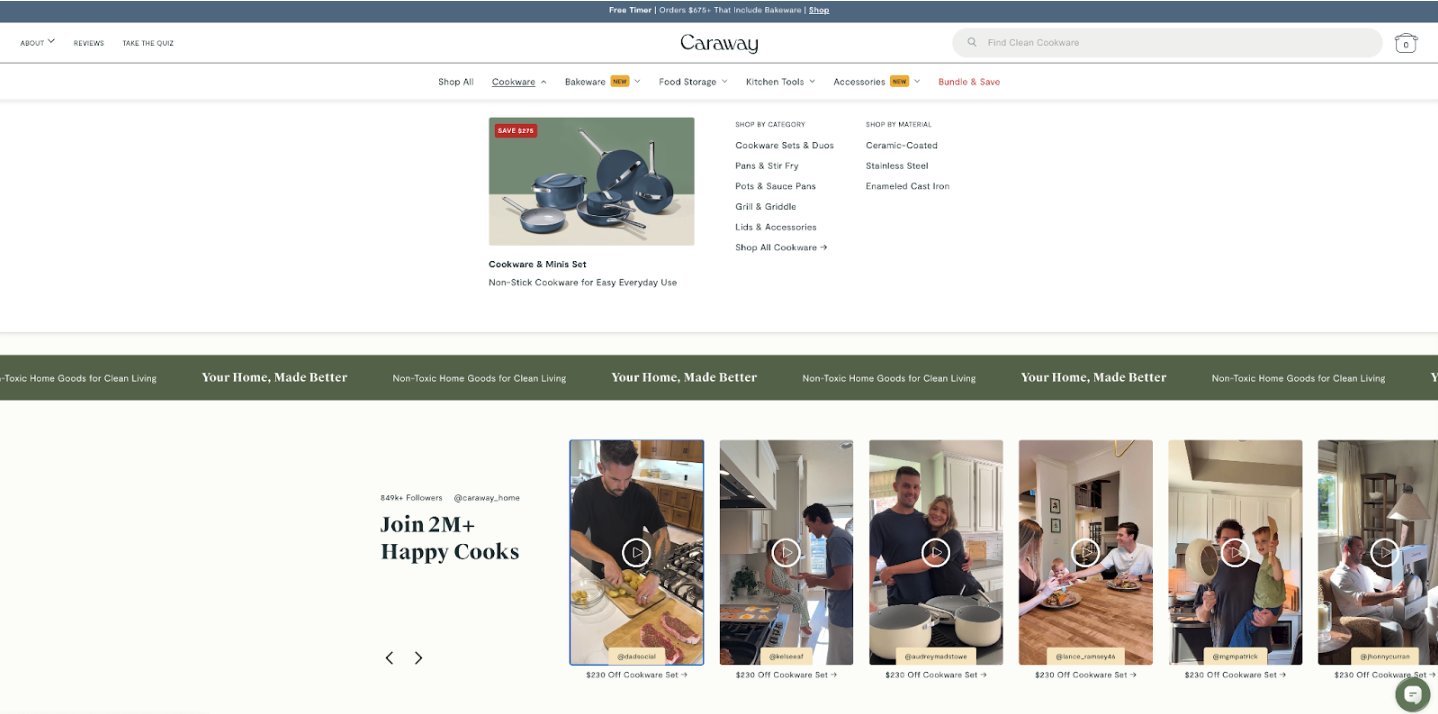
Tolstoy turns homepages and PDPs into video commerce modules that look and behave like the in-store stylist moment: an actual person explains fit, texture, and how to use the product, while shoppers tap to explore and add items.
Brands featured in Tolstoy case studies have reported conversion rates up to seven times higher on video-enabled PDPs, along with significant increases in average order value compared to pages without interactive video.
We’ll break down:
Why passive video underperforms
Where Tolstoy drives the most lift
How to measure session duration, engagement, and revenue
The Evolution of Video Commerce: Moving Beyond Static Content
Video commerce has progressed from simple product demos to interactive experiences that drive action. Today’s shoppers want content they can explore and shop in real time. When paired with strong Shopify SEO services, interactive video lets brands improve visibility and engagement, as well as conversion together.
Why Traditional Video Fails to Convert on Modern Shopify Stores
Most Shopify stores still rely on passive, click-to-play videos. Shoppers often skip them because they don’t make it easy to take action.
The friction shows up after the video ends. There are no clickable products, no visible pricing, and no direct path to add to cart. The shopper has to keep searching.
Interactive formats perform differently. In one Tolstoy DTC example, visitors who engaged with shoppable video converted at 2.2%, while the overall site conversion rate sat at 0.44%. In other words, shoppers who watched the interactive content purchased at roughly five times the rate of the average visitor.
Replicating the In-Store Stylist Experience Through Interactive Video
Tolstoy makes storytelling in ecommerce more personal by letting brands speak directly to shoppers through stylists, founders, or even actual customers. Instead of reading bullet points, shoppers hear someone explain how a product fits and works in everyday life.
Seeing an actual face instills confidence. When someone demonstrates sizing or styling tips on screen, it answers questions that static images can’t.
That human element reduces hesitation. Shoppers stay longer and develop stronger trust because the experience feels guided rather than transactional.
Decoding the Tolstoy Ecosystem: Interactive Widgets vs. The New AI Player
Tolstoy started with interactive video widgets that let brands embed shoppable stories across key pages. The newer AI Player builds on that foundation by dynamically personalizing what each shopper sees. Together, they move from static branching to smarter, behavior-driven video experiences that adapt in real time.
How the Tolstoy AI Player Dynamically Personalizes the Shopper Journey
The newer interactive video player from Tolstoy moves beyond basic “choose your path” video branching. Instead of sending every shopper down the same preset flow, the AI Player adjusts what content appears based on behavior and intent signals.
If a visitor spends time on a specific product category, the player can surface videos tied to that interest. If someone lands from paid traffic focused on a single SKU, the experience can prioritize product-specific content instead of broad brand storytelling.
For brands, this removes the need to manually tag and map every possible journey. The AI Player scales personalization by matching the proper video to the correct shopper automatically, without rebuilding video trees for each segment.
Installation and Performance: Does Tolstoy Impact Site Speed?
One common concern with any Shopify video app is site speed. Merchants worry about touching Liquid files or slowing down page load times.
Tolstoy is built for lightweight delivery. Videos are optimized and load in a way that protects core performance metrics while still delivering high-definition playback.
Installation is also no-code. Most marketing teams can deploy the player directly inside Shopify without developer support, making it simple to test and scale quickly.
Strategic Funnel Placement: Where to Embed Shoppable Video for Maximum Lift
Shoppable video performs best when it aligns with shopper intent. Placement should follow the funnel. Use it to introduce your brand on the homepage, reinforce buying decisions on PDPs, and reduce friction on landing pages. Strategic placement ensures storytelling supports conversion at every stage.
The Homepage: Capturing Brand Storytelling and Hero Content
The homepage is where ecommerce storytelling sets the tone. A strong hero video can establish your brand’s voice and overall vibe within seconds.
Founder messages or short brand reels work well here. They welcome shoppers and explain what makes the brand different. Embedded CTA buttons inside the video can guide visitors directly to key collections, turning attention into action. For brands pairing homepage storytelling with measurable revenue growth, ecommerce consulting ensures those moments translate into performance.
Product Detail Pages (PDPs): Leveraging UGC, Try-Ons, and Fit Guides
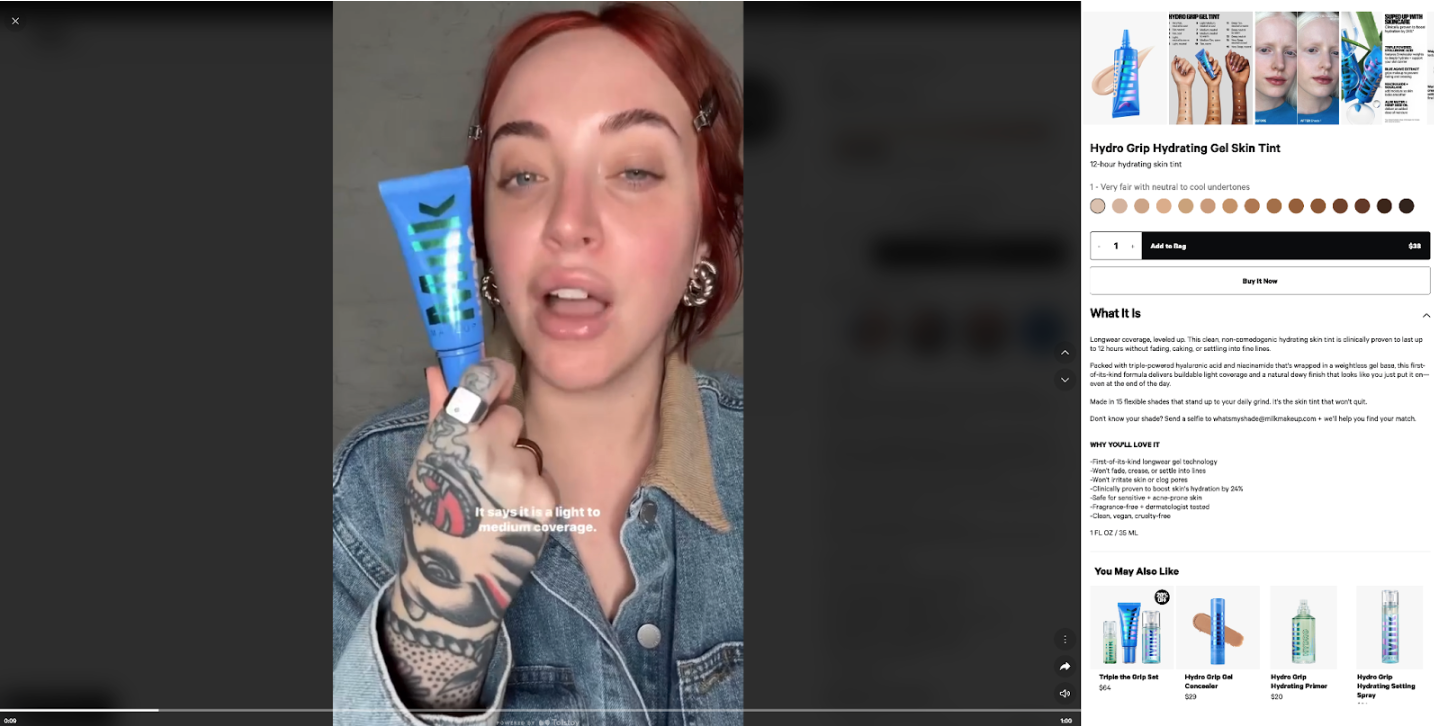
Product pages are where buying decisions happen, so PDP engagement is vital. Placing user-generated content directly on the product page adds immediate social proof. Shoppers can see actual customers wearing or reviewing the item instead of relying only on brand photography.
Try-on videos and fit guides also reduce uncertainty. When shoppers see how something fits on different body types or how it performs in real life, they become more confident.
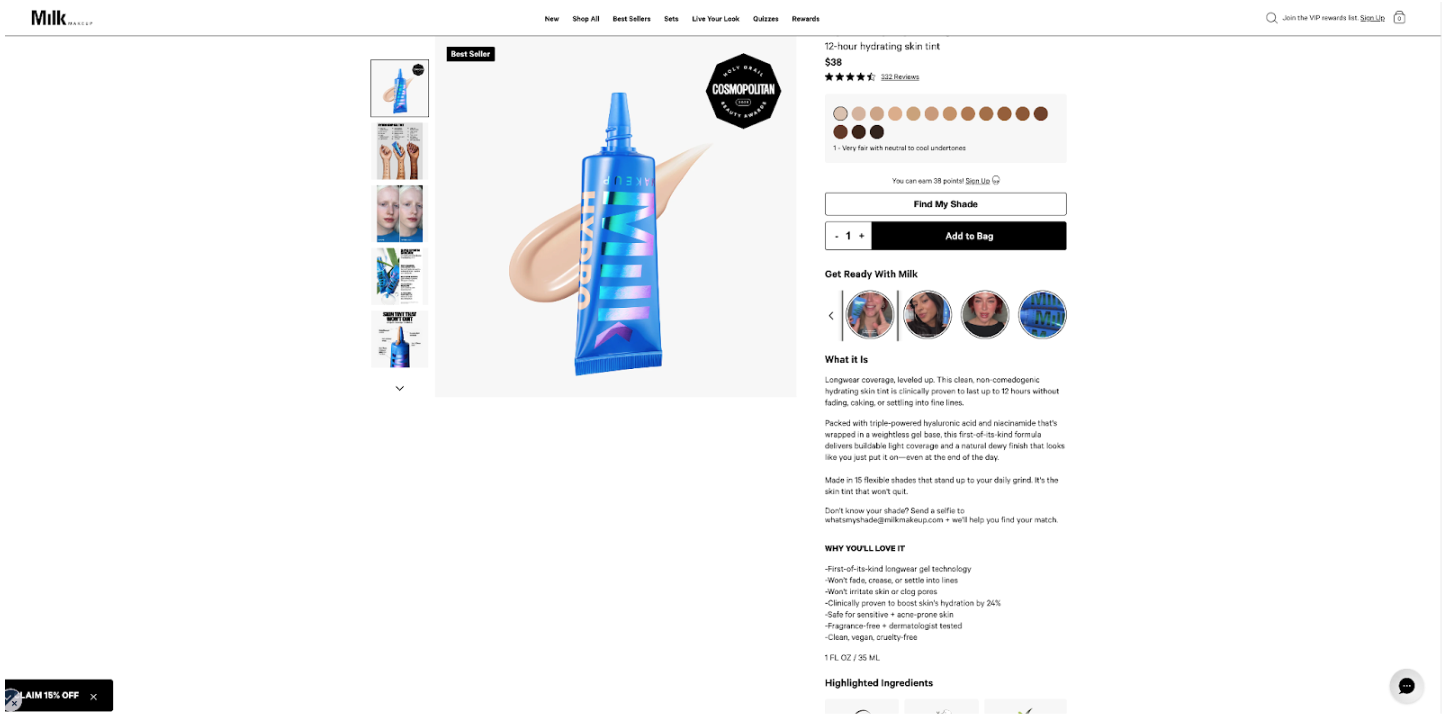
For maximum impact, place the video module close to the Add to Cart button. That keeps trust-building content next to the final purchase decision.
Landing Pages and Editorial Blocks: Driving Conversion from Paid Traffic
Cold paid traffic often bounces because the landing page doesn’t match the promise of the ad. Interactive video helps by keeping the message consistent and giving shoppers a clearer next step.
Tolstoy can also turn blog posts and list-style content into shoppable assets. When that experience matches your paid search management approach, you improve message match, reduce drop-off, and push more clicks toward product exploration.
The Metrics That Matter: Measuring Success with Tolstoy Analytics
Interactive video should drive measurable results. Tolstoy’s analytics help brands track how shoppers engage with video content, how it impacts session duration, and whether it influences conversion. The goal isn’t more content. It’s a clearer insight into what drives revenue and where to optimize next.
Increasing Session Duration and PDP Scroll Depth
Interactive video directly impacts session duration because it gives shoppers a reason to pause and engage. Instead of scanning a page and leaving, they watch, tap, and explore. That added interaction keeps visitors on-site longer.
Video also influences scroll depth. When a shoppable module sits within a PDP, shoppers are more likely to continue scrolling to view reviews and related products. Those engagement signals include longer time on site and deeper page exploration. They can support stronger SEO performance by reinforcing content relevance and overall site authority.
Revenue Attribution and Data-Driven Content Refinement
Tolstoy shows how shoppers interact with each video, including clicks, product views, and add-to-cart actions. This lets brands see which videos actually influence sales.
The dashboard also includes a Revenue Influenced metric, which shows how much revenue was tied to video engagement. Brands can use this data to create more of the content that drives results and stop producing what doesn’t.
Best Practices for High-Performing Video Content
High-performing video content is authentic and easy to act on. The goal is clarity and trust. Focus on short videos that answer buying questions, show products in real use, and give shoppers a clear next step to explore or purchase.
Leveraging Influencers, Stylists, and Behind-the-Scenes Access
Some of the best-performing videos are simple and practical. A stylist can walk through how to wear a product three different ways. An influencer can give an honest review and explain why they like it. A short factory tour can show how the product is made and why the quality stands out.
These videos do not need heavy production. In many cases, lo-fi vertical clips appear more human and relatable than polished studio shoots.
Featuring the Faces of the Brand also engenders trust. Shoppers feel a stronger connection when they see actual people behind the product. It makes the experience more personal and community-focused.
Starting Small: The 2–4 Module Strategy for Initial Lift
Start with a crawl, walk, run approach. Begin by adding video to the homepage and three to five of your top-performing PDPs. Focus on products that already drive traffic and revenue so you can measure a clear impact.
Test different formats, such as stylist guides or quick demos. A/B test placement and messaging before rolling video out sitewide.
Give it 30 to 60 days to measure lift in engagement, conversion rate, and revenue. Once you see consistent gains, expand the strategy across the rest of your catalog.
Building a Storytelling-Driven Content Strategy
Shoppable video works best when it is part of a clear growth plan rather than a one-off test.
Start by identifying high-intent pages. Add an interactive video where buying decisions happen. Measure lift in engagement, conversion rate, and revenue. Then refine what works and expand across more products.
If you want help building and scaling that strategy, book a consultation with Eyeful Media’s ecommerce experts to integrate interactive storytelling into your growth plan.
Frequently Asked Questions about Tolstoy and Shoppable Video
-
Tolstoy is a shoppable video platform built for Shopify. It lets brands embed interactive video modules on homepages, product pages, and landing pages. Shoppers can watch, click products, and add items to their cart directly inside the video experience.
-
Short, authentic videos tend to perform best. Stylist how-to guides, influencer reviews, user-generated content, try-on demos, and behind-the-scenes clips often drive strong engagement because they answer real buying questions in a relatable format.
-
The original Tolstoy widget uses structured video flows. The AI Player adds dynamic personalization. It adjusts which videos appear based on shopper behavior, product interest, or traffic source, creating a more tailored experience without manual path building.
-
Start with high-intent pages. Place video on the homepage for brand storytelling and on top-performing PDPs near the Add to Cart button. Landing pages for paid traffic are also strong placements because they reduce bounce and guide exploration.
-
Interactive video keeps shoppers on the page longer because they watch, tap, and explore instead of skimming and leaving. This often increases session duration and encourages deeper scrolling, which can support stronger engagement signals across the site.
-
Yes. Tolstoy tracks clicks, product views, and add-to-cart actions tied to each video module. Its analytics dashboard includes Revenue Influenced metrics, helping brands understand how video engagement connects directly to sales performance.