
The Most Undermanaged Revenue Channel in Ecommerce: Why Leading Brands Outsource Email Marketing
Brands usually decide to outsource email marketing for reasons that have little to do with design. Their customer list is one of the most valuable assets the business owns, and no one is accountable for what it earns.
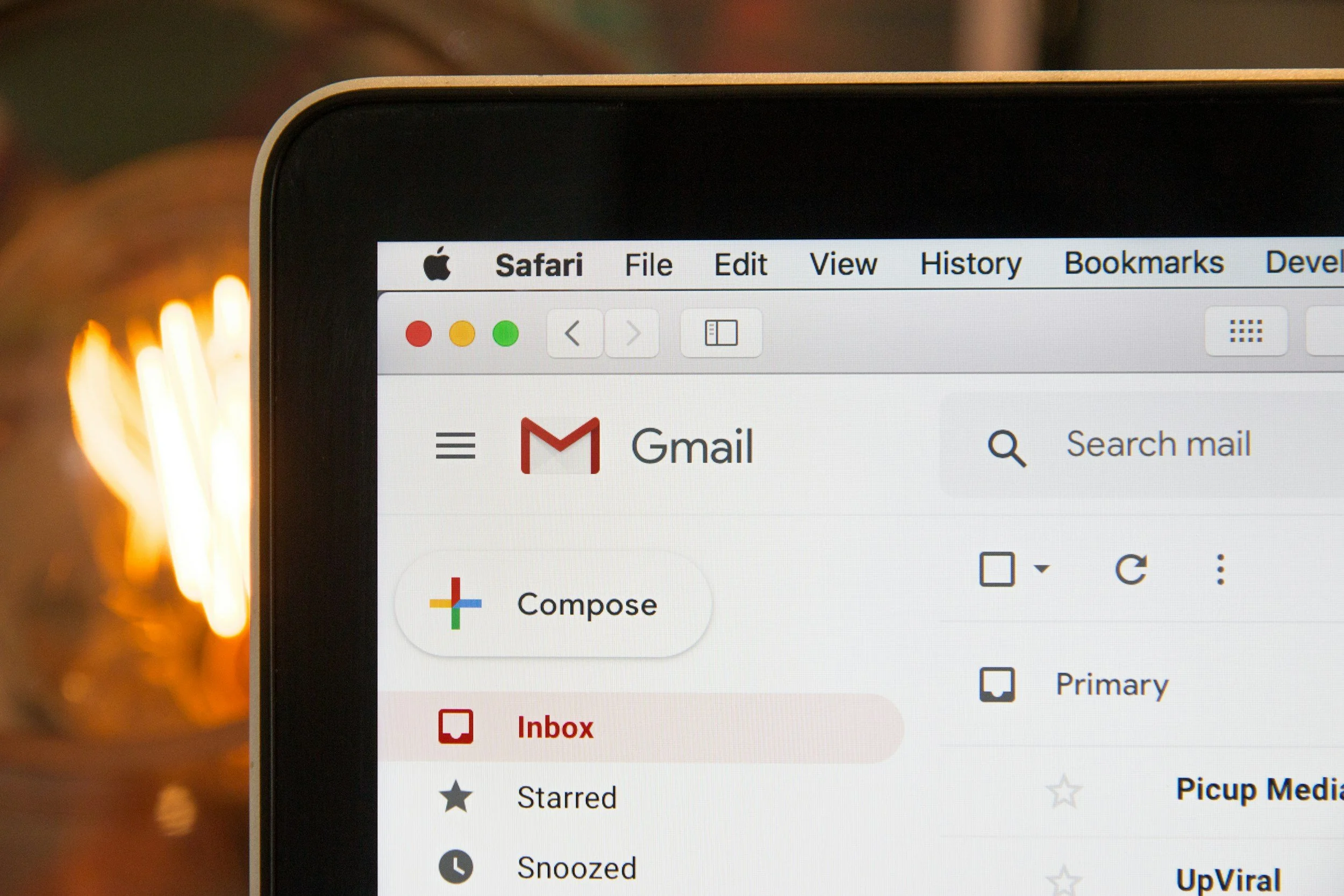
In many organizations, email is treated as a secondary task—squeezed in between product launches by a VP of Ecommerce or pulled together on Thursday afternoons by a brand marketer. The channel keeps running, so nobody notices how much more it could be doing.
Key Takeaways
A customer database is valuable when it helps generate revenue and learn about customer behavior. Continuous use is key.
Effective email management means taking responsibility for results. Campaigns sent when time allows are only maintenance.
Senior ownership ensures consistency. It offers specialized expertise and institutional knowledge, and keeps email tied to the business's goals.
Outsourced CRM management can beat a stretched internal team. However, dedicated, skilled in-house teams can perform just as well.
A simple check can show management gaps. Financial modeling helps estimate the value of fixing them.
Why Nothing Looking Broken is the Problem
It's the 20th of the month. Eight segmented campaigns were planned. Three went out. Yet nothing seems broken. Klaviyo still sends emails, customers still open them, and revenue still appears in the dashboard.
That's what makes the problem so easy to overlook: the channel keeps running while opportunities for growth slip away.
When email management gets pushed to the back burner, you end up losing out on steady revenue, valuable customer data, and easy repeat sales.
Brands spend heavily to acquire customers, then hand one of their highest-margin owned channels to whoever has time to manage it. A database is only an asset if somebody is continuously monetizing and learning from it.
Your email program needs someone who owns the outcome. Sending the emails is only part of that job. Without clear ownership, even a functioning program can fall short of its potential.
Is Your Email Program Being Managed or Merely Maintained?
A healthy email program takes more than regular campaigns and functioning automations. Use this checklist to assess whether your team is actively managing the channel or just keeping it running.
The campaign calendar regularly falls behind.
Fewer campaigns are sent than planned.
Core flows, including the abandoned cart flow, go unreviewed.
Segments rarely extend beyond the engaged versus not engaged distinction.
No one owns a documented testing roadmap.
Post-purchase messages don’t account for differences in products or customers.
Merchandising and CRM calendars aren't well aligned.
Reporting stops at opens, clicks, and attributed revenue.
No one can recall which tests improved performance six months later.
Senior ecommerce staff spend time building and QA'ing emails.
If several of these ring true, Klaviyo is rarely the cause. Ownership usually is.
Eight Reasons Senior Outsourced Management Can Outperform a Part-Time Owner
Strong internal CRM teams can deliver excellent results. But when email is only a small part of someone's job, outsourced email marketing can provide the focus and expertise needed to grow the channel.
How many of these eight advantages are missing from your team?
1. Consistency is a Growth Mechanism
Skipping scheduled campaigns cuts into your revenue, slows down testing, and makes it harder to keep customers coming back.
A good email program has a clear schedule. It uses frequency controls to keep customers from feeling overwhelmed. It also accounts for where each customer is in their journey, from first purchase to long-term loyalty.
Consistency means sending the right message to the right customer at the right time in their journey.
2. Campaigns Are the Visible Tip of the CRM System
Effective lifecycle email marketing involves much more than scheduled campaigns. A well-managed program includes:
Welcome, browse abandonment, cart, and checkout flows
Post-purchase, replenishment, cross-sell, and second-purchase flows
Win-back, VIP, and sunset flows
Segmentation, suppression, testing, deliverability, and list growth
Each flow serves a different purpose. Klaviyo tracks separate benchmarks for several important KPIs. These include welcome, abandoned cart, and browse abandonment flows to reflect these differences. Its benchmarks also show that abandoned cart flows generate the highest revenue per recipient.
Managing these elements together helps brands turn individual messages into a coordinated customer experience.
3. Your Internal Team’s Opportunity Cost
A VP of Ecommerce or senior brand marketer may spend hours writing subject lines, preparing banner briefs, building flows, checking links, and pulling reports. When this happens, the real cost goes beyond their salary.
It's the higher-value work they're not doing, such as:
Assortment strategy and product launches
Promotion planning and forecasting
Conversion rate optimization (CRO)
Partnerships and customer acquisition
Team leadership and strategic planning
These responsibilities directly influence business growth. Every hour spent on routine email execution is an hour that senior talent can't devote to moving the business forward.
4. Specialization is Pattern Recognition
An in-house marketer only sees what works in your store. A specialized partner brings insights gained from testing strategies across dozens of different brands.
That experience makes it easier to spot problems and recognize opportunities. For example, a post-purchase flow might send the same message to every buyer, regardless of what they purchased or how often they shop.
A gap like that might take a generalist months to recognize. Someone who has seen similar patterns across multiple brands may identify it in hours.
5. Good CRM Management Creates Institutional Memory
Every campaign, customer interaction, and test offers lessons that can improve future performance. Good CRM management captures those lessons and puts them to use.
Someone on your team should be able to answer questions like:
Why did Mother's Day perform differently last year?
Which offers encouraged second purchases?
Which customer segments showed signs of fatigue?
Which products sell well together?
How often can VIP customers receive emails without disengaging?
Which tests failed, and what did we learn?
Without a dedicated owner documenting test results, brands end up wasting time relearning the same lessons every year.
6. Email Performance Should Connect to the Rest of the Business
Effective ecommerce retention marketing looks beyond open rates and Klaviyo-attributed revenue.
A CRM strategy must consider key factors that impact business performance. These include:
Customer acquisition cost (CAC)
Lifetime value (LTV)
Contribution margin
Inventory
Merchandising
Seasonality
Product launches
Customer cohorts
Paid media
Repeat purchases
Built on these inputs, the strategy responds to the P&L and the Klaviyo dashboard.
At Eyeful Media, we treat CAC, LTV, and profitability as foundational ecommerce metrics and tracking all three is how you see what email contributes to the business
That connection helps ensure email decisions support sustainable growth rather than isolated campaign results.
7. Senior Ownership Changes the Agency Equation
At traditional agencies, senior staff often sell the account while junior employees handle execution. This is managed through an account manager who doesn't work in the channel.
At Eyeful Media, we're built differently. Our strategists average 13 years of experience, and the person you hire does the work.
Your expert partner will hear why margins are tight on one SKU, why the CEO avoids discounts, and why a collection launches next month. That same person makes CRM decisions, so less gets lost in translation.
As a Klaviyo partner, we bring platform expertise to this model.
8. Outsourcing Should Create Leverage, Not Distance
The right e-commerce email marketing agency operates like an experienced team member outside your org chart. They learn your business, join planning meetings, spot opportunities, and take work off your team's plate.
An agency that adds more meetings and approvals defeats that purpose. Klaviyo calls its agency partners experts in data-driven marketing. They focus on omnichannel strategies that produce clear results. We hold ourselves to the same standard.
Our ecommerce consulting work ties email strategy to the online store, the merchandising calendar, and the business's broader goals.
What Owning the Outcome Looks Like
Email management is often treated as a simple process: write the copy, design the email, and send it. But an effective CRM strategy requires ownership of customer data, including:
strategy
calendars
segmentation
flows
merchandising
personalization
deliverability
testing
QA
analytics
retention
repeat purchases
A strong customer retention strategy creates a continuous cycle. Acquisition feeds customer data, which shapes segmentation and lifecycle strategy. Campaigns and flows generate results, while testing and revenue analysis inform the next decisions.
Our customer and marketing analytics look beyond opens and clicks to revenue, margin, and repeat purchase behavior.
What the Opportunity is Worth: A Simple Check
Consider a brand with $20 million in annual revenue and a database of tens or hundreds of thousands of acquired subscribers and customers. Even small gains in repeat purchases, revenue per recipient, or lifecycle conversions can improve contribution. This can happen without raising acquisition costs.
To estimate the opportunity, multiply the database size by purchase frequency, average order value, and contribution margin. Then model a range of possible improvements rather than assuming a guaranteed uplift.
Revenue per recipient is total revenue divided by the number of recipients. Our guide to essential ecommerce KPIs explains the metrics behind these calculations.
When In-house is the Right Call
Not every company needs to outsource email marketing. A dedicated, well-staffed internal CRM team with experienced leadership can deliver excellent results.
The in-house model works when email has a full-time senior owner. This person must have enough time to manage the channel, follow a testing roadmap, and coordinate with merchandising.
Issues crop up when email gets tacked onto a small team's workload alongside acquisition, merchandising, website maintenance, and inventory. When those priorities consistently push retention work aside, an email marketing agency can provide the dedicated attention the channel needs.
Turn Your Customer Database Into a Growth Asset
Your customer database represents an investment your business has already made. Giving a senior strategist responsibility for its performance helps protect that investment and uncover opportunities for growth.
With consistent oversight, every campaign, test, and customer interaction can build on what came before. Over time, those improvements can turn an underused channel into a stronger revenue source.
Our senior Klaviyo and CRM practitioners work directly with your team. We own strategy, execution, testing, and optimization without layers of account management. If your email program is maintained rather than actively managed, talk with our team to explore the opportunities you may be missing.
Frequently Asked Questions
-
Email marketing is a delivery channel used to communicate with customers. CRM and lifecycle marketing use customer data and behavior. They determine who receives which messages, when they're sent, and why, across multiple touchpoints.
-
Look for an agency that offers:
Senior strategists who directly own the work
Experience with ecommerce businesses
An understanding of unit economics and customer lifetime value (LTV)
The capacity to execute campaigns and automations
Consistent testing and transparent reporting
Expertise in email deliverability
A team that learns your business instead of passing tasks between layers
-
Klaviyo brings customer behavior data, segmentation, automated flows, ecommerce integrations, testing, and performance measurement into one platform. This helps brands deliver more relevant messages throughout the customer journey. Klaviyo also runs an agency partner program focused on data-driven, omnichannel marketing.
-
Yes, provided the agency works closely with your business. In a strong embedded model, the same senior strategist learns your customers, financial goals, brand standards, product calendars, and key stakeholders. It also participates in your regular planning and decision-making.